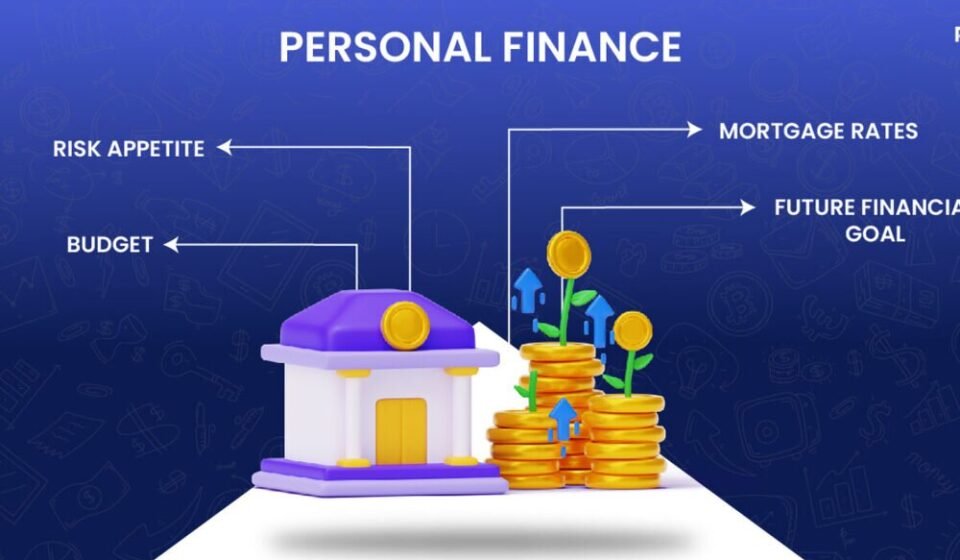

Personal Finance Guide for Beginners: How to Build Wealth, Save Money, and Invest Smartly
Introduction
Personal finance is one of the most important life skills, yet most people never learn it in school. Whether you are a student, working professional, or business owner, understanding how to manage money can completely change your financial future.

In this complete personal finance guide, you will learn:
-
How to create a budget
-
How to save money effectively
-
Smart investing strategies
-
Debt management tips
-
How to build long-term wealth
If you are just starting your financial journey, this guide will help you build a strong foundation.
1. What is Personal Finance?
Personal finance refers to managing your money — including income, expenses, savings, investments, and financial protection.
It includes:
-
Budgeting
-
Saving
-
Investing
-
Insurance
-
Retirement planning
-
Tax planning
The goal of personal finance is simple:
👉 Spend wisely, save consistently, and grow wealth over time.
2. Why Financial Planning is Important

Without financial planning:
-
You live paycheck to paycheck
-
You depend on loans
-
You stress about emergencies
-
You delay retirement
With proper planning:
-
You control your money
-
You build emergency savings
-
You invest confidently
-
You achieve financial freedom
Financial planning is not only for rich people — it is for anyone who wants security and stability.
3. Step 1: Create a Simple Budget
Budgeting is the foundation of personal finance.
The 50/30/20 Rule
A popular budgeting method:
-
50% – Needs (rent, food, bills)
-
30% – Wants (shopping, entertainment)
-
20% – Savings & investments
Example:
If your monthly income is ₹50,000:
-
₹25,000 → Needs
-
₹15,000 → Wants
-
₹10,000 → Savings
Use tools like Excel or budgeting apps to track your spending.
Pro Tip:
Always pay yourself first (transfer savings before spending).
4. Step 2: Build an Emergency Fund
An emergency fund protects you from unexpected expenses like:
-
Medical emergencies
-
Job loss
-
Car repairs
Experts recommend saving 3–6 months of expenses.
If your monthly expenses are ₹30,000, aim for ₹90,000–₹1,80,000 emergency fund.
Keep it in:
-
High-interest savings account
-
Liquid mutual funds
Do NOT invest emergency money in risky assets.
5. Step 3: Understand the Power of Saving Early
Time is the biggest advantage in investing.
Example:
If you invest ₹5,000 per month at 12% annual return:
-
10 years → ₹11.6 lakh approx
-
20 years → ₹49 lakh approx
-
30 years → ₹1.76 crore approx
This is the power of compound interest.
Start early. Even small amounts grow big over time.
6. Step 4: Smart Investment Options for Beginners
Here are common investment options:
1. Fixed Deposits (FD)
-
Low risk
-
Stable returns
-
Good for conservative investors
2. Mutual Funds
-
Professionally managed
-
Good for long-term growth
-
SIP option available
3. Stock Market
-
Higher risk
-
Higher return potential
-
Requires research
4. PPF (Public Provident Fund)
-
Government-backed
-
Tax benefits
-
Long-term investment
5. Real Estate
-
Capital appreciation
-
Rental income
Diversification is key. Never put all money in one asset.
7. Debt Management Strategy
Bad debt destroys financial growth.
High-interest debts include:
-
Credit card dues
-
Personal loans
Tips to manage debt:
-
Pay highest interest debt first
-
Avoid minimum payments trap
-
Consolidate loans if possible
-
Avoid unnecessary EMI lifestyle
Good debt (like home loan) builds assets.
Bad debt (credit card shopping) builds stress.
8. Importance of Insurance
Insurance protects your wealth.
Types you must consider:
-
Health Insurance
-
Term Life Insurance
-
Vehicle Insurance
Avoid investment-based insurance plans if your goal is wealth building. Keep insurance and investment separate.
9. Retirement Planning
Many people think retirement planning is only for older people.
Wrong.
The earlier you start, the less you need to invest monthly.
If you start at:
-
Age 25 → invest small amount
-
Age 35 → invest double
-
Age 45 → invest triple
Retirement tools:
-
NPS
-
EPF
-
Mutual fund SIP
-
PPF
Plan today so future you lives comfortably.
10. Common Financial Mistakes to Avoid
-
Not tracking expenses
-
No emergency fund
-
Ignoring insurance
-
Investing without knowledge
-
Following market tips blindly
-
Lifestyle inflation
Financial discipline matters more than high income.
11. How to Build Long-Term Wealth
Wealth building formula:
Income – Expenses = Savings
Savings + Investment + Time = Wealth
Key principles:
-
Increase income
-
Reduce unnecessary expenses
-
Invest consistently
-
Reinvest profits
-
Stay patient
Wealth is built slowly, not overnight.
Conclusion
Personal finance is not complicated — but it requires discipline and consistency.
Start with:
-
Budgeting
-
Emergency fund
-
Smart investments
-
Debt control
-
Insurance protection
If you follow these steps consistently, financial freedom is achievable.
The best time to start managing money was yesterday.
The second-best time is today.