
LPG Gas Shortage in the World Because of War: Causes, Impact, and What It Means for the Future
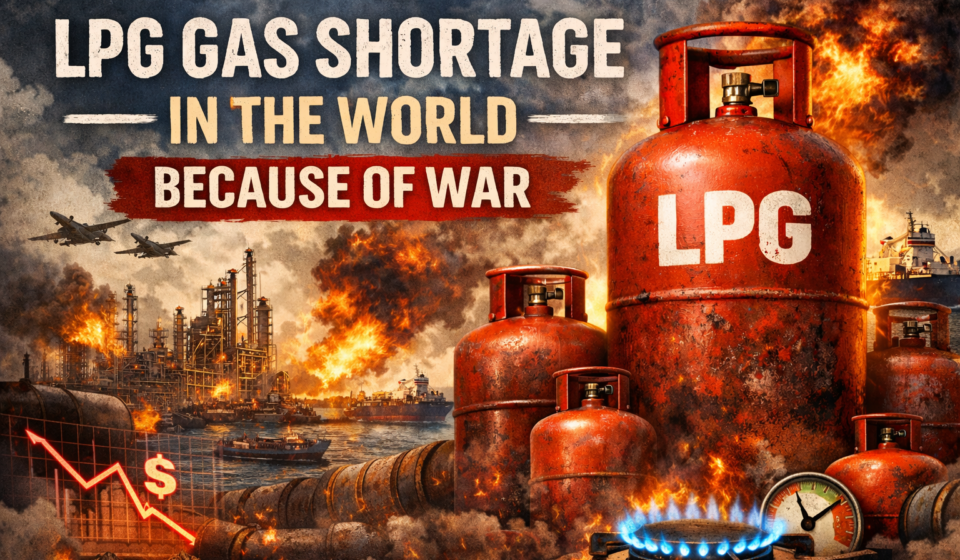
The global energy market has been facing serious disruptions in recent years. One of the biggest concerns affecting households and industries is the LPG gas shortage in the world because of war. Liquefied Petroleum Gas (LPG) is a crucial fuel used for cooking, heating, transportation, and industrial operations. When geopolitical conflicts occur, energy supply chains often become unstable, causing shortages and price spikes.
In 2026, rising geopolitical tensions and ongoing wars have once again created uncertainty in the global LPG market. This article explores why LPG gas is becoming short worldwide, how war impacts supply chains, and what the future may look like for global energy consumers.
What Is LPG Gas and Why Is It Important?
Liquefied Petroleum Gas (LPG) is a mixture of propane and butane gases. It is produced during crude oil refining and natural gas processing. LPG is widely used across the world because it is efficient, portable, and relatively cleaner than many other fossil fuels.
Major Uses of LPG
-
Household cooking fuel
-
Heating systems
-
Industrial manufacturing
-
Agricultural drying processes
-
Auto LPG fuel for vehicles
Countries like India, China, Brazil, and many European nations depend heavily on LPG for daily energy needs. When supply disruptions occur, millions of households and businesses are directly affected.
Why Is There an LPG Gas Shortage Due to War?
Wars and geopolitical conflicts can disrupt energy markets in multiple ways. Several factors contribute to the global LPG shortage during wartime.
1. Disruption of Energy Supply Chains
When wars occur near major energy-producing regions, transportation routes become unsafe or blocked. Pipelines, shipping lanes, and ports may be damaged or restricted.
For example:
-
Tanker ships may avoid conflict zones.
-
Sanctions may restrict energy exports.
-
Infrastructure such as refineries may be damaged.
These disruptions reduce the global supply of LPG.
2. Sanctions on Major Energy Exporting Countries
Economic sanctions are commonly used during international conflicts. When sanctions target energy-producing countries, exports of oil and gas—including LPG—can drop significantly.
Major LPG exporting regions include:
-
The Middle East
-
Russia
-
The United States
If any of these regions face restrictions or conflict, global LPG availability declines rapidly.
3. Increased Energy Demand During War
Wars often increase demand for fuel. Military operations require large quantities of energy for vehicles, aircraft, and equipment. At the same time, countries may increase fuel stockpiles for security reasons.
This combination of higher demand and restricted supply pushes LPG prices higher and creates shortages.
4. Shipping and Transportation Problems
Global LPG supply depends heavily on maritime shipping. War can disrupt major trade routes such as:
-
The Red Sea
-
The Black Sea
-
The Strait of Hormuz
If shipping lanes become unsafe or blocked, LPG shipments may be delayed or canceled, worsening shortages worldwide.
Countries Most Affected by LPG Shortages
Developing countries often feel the impact of LPG shortages the most. Many households depend entirely on LPG cylinders for cooking.
Regions facing major risks include:
-
South Asia
-
Southeast Asia
-
Parts of Africa
-
Latin America
In countries like India, government subsidies help make LPG affordable. However, global price increases due to war can still impact supply and pricing.
Impact of LPG Shortage on Households and Businesses
The global LPG shortage caused by war can have several serious consequences.
1. Rising LPG Prices
When supply falls and demand rises, LPG prices increase. Households may have to pay significantly more for gas cylinders.
2. Inflation in Food Prices
Restaurants, food processing companies, and street vendors rely on LPG. Higher fuel costs increase food prices, contributing to overall inflation.
3. Industrial Slowdown
Many industries depend on LPG for manufacturing processes. Supply shortages can force factories to reduce production or temporarily shut down.
4. Energy Poverty
In some developing countries, people may return to traditional fuels such as wood or coal if LPG becomes too expensive or unavailable. This can increase pollution and health risks.
Global Energy Market Reaction
Energy markets react quickly to geopolitical tensions. When wars begin or escalate, traders anticipate supply disruptions and prices can rise immediately.
Several trends have been observed in recent years:
-
Governments increasing strategic energy reserves
-
Countries diversifying energy suppliers
-
Investments in renewable energy sources
-
Long-term LNG and LPG supply contracts
These strategies aim to reduce dependence on unstable regions.
How Governments Are Responding
Governments around the world are taking steps to manage the LPG shortage.
Key Measures Include:
-
Increasing domestic LPG production
-
Offering subsidies to consumers
-
Importing LPG from alternative suppliers
-
Expanding energy storage facilities
Some countries are also encouraging the transition to electric cooking and renewable energy to reduce LPG dependence.
The Future of LPG in a War-Affected World
Despite the current challenges, LPG will remain an important energy source for many years. However, global conflicts are pushing governments and industries to rethink their energy strategies.
Future trends may include:
-
More diversified global LPG supply chains
-
Increased investment in renewable energy
-
Improved energy storage systems
-
Greater focus on energy security
The world is gradually moving toward cleaner and more stable energy solutions, but the transition will take time.
Conclusion
The LPG gas shortage in the world because of war highlights how fragile global energy systems can be. Conflicts disrupt supply chains, increase demand, and create economic pressure on households and industries.
As geopolitical tensions continue to influence global markets, governments and energy companies must work together to ensure stable fuel supplies. Diversifying energy sources and investing in sustainable solutions will be essential to reducing the impact of future crises.
For now, the global LPG market remains closely tied to geopolitical stability. Until conflicts ease and supply chains recover, LPG prices and availability may continue to fluctuate.